Phone:
+60 11-2406 0933
Physical address:
No. 40-1, Jalan PUJ 3/2, Taman Puncak Jalil, Bandar Putra Permai, Seri Kembangan, Malaysia

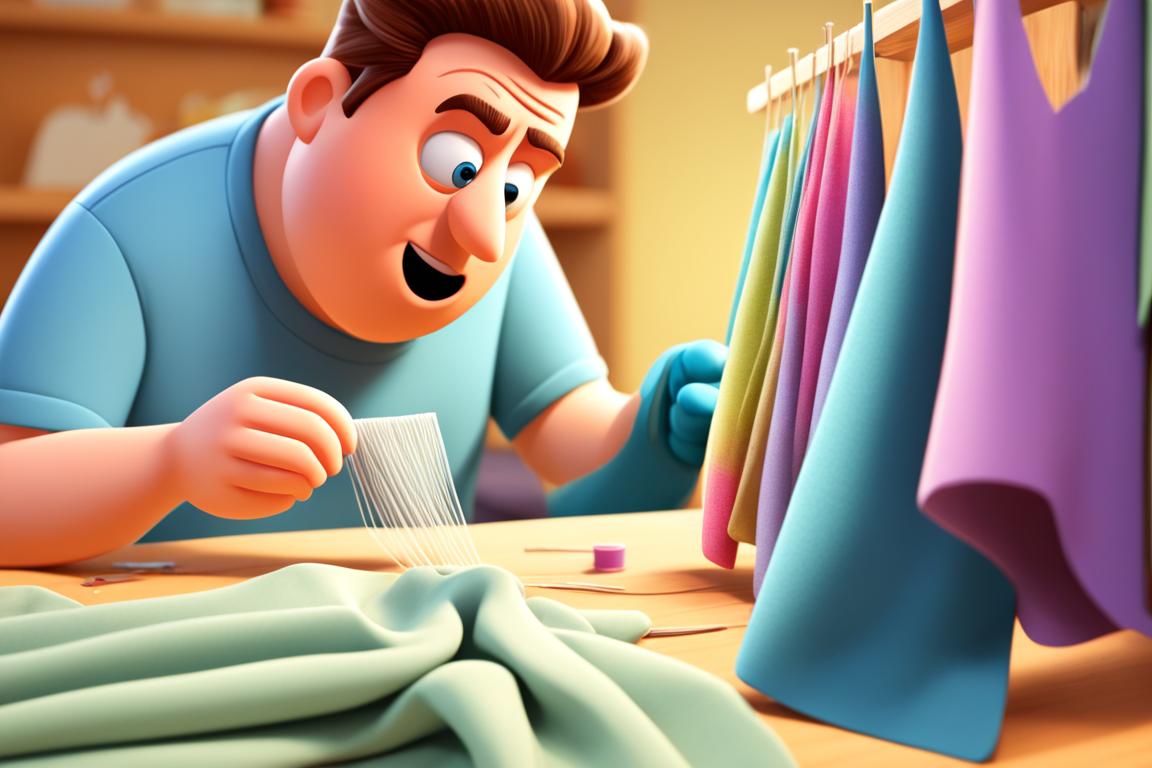
Ever thought about fixing your old cloth wardrobe with simple fixes? More people are taking on DIY projects, making wardrobe fabric repair more popular. You can fix small tears, update old styles, or brighten faded colors without spending a lot. With the right tips, you can keep your wardrobe looking great and save space.
Many older homes don’t have closets, making it hard for some to store clothes. Those with closets often need more space for their clothes1. By learning to fix your wardrobe, you can be creative and solve storage problems. Are you ready to make your wardrobe stylish and organized? Let’s look at easy DIY ways to do it!
The cloth wardrobe structure is key to storing clothes well. It includes different fabric types and design elements for your needs. Choosing the right fabric is crucial for both looks and durability. Cotton is great for staying cool, while polyester doesn’t wrinkle much and lasts long. Picking the right fabric makes storing clothes better.
Organizing your clothes helps keep things tidy. Virginia suggests sorting clothes into Sell, Maybe, Customise, or Toss piles2. This helps you decide what to keep and what to let go of. It shows how many storage solutions you might need.
Using matching hangers keeps your clothes looking neat. This makes your closet look better and helps take care of your clothes. For example, wool and silk need special storage to stay in good condition.
Knowing about different fabrics helps you make smart choices about fixing or replacing items. A tidy wardrobe stops you from buying things on impulse. This is because fast fashion often leads to waste3.
When dealing with cloth wardrobes, common wardrobe problems often pop up. These include wear and tear, fading, and structural failures. You might see small tears, fraying seams, or dust and moth damage.
To fix these wardrobe fabric issues, you need good strategies. Check each garment for specific problems. Aimless Wardrobe Syndrome can lead to clutter, making it hard to choose what to wear4. Some people have too many clothes or not enough, causing confusion and mess4.
Studies show that custom wardrobes can increase storage by using vertical space well5. A two-tiered hanging system can also double storage without taking up more room5. Regular cloth wardrobe maintenance helps avoid common problems and keeps things organized. This makes it easier to find what you need.
It’s smart to regularly check your clothes. Marie Kondo’s method teaches you to declutter and rethink your wardrobe6. This helps with space and how you feel about your clothes4.
Using drawer inserts and a high-tilted shoe rack helps organize your wardrobe better6. High-quality hangers, like wooden or rubber ones, keep clothes from falling off. This prevents wrinkles and damage6.
Deciding to fix or replace your clothes starts with a detailed wardrobe inspection. Look at how much damage there is and the assessing wardrobe condition. If a few small tears can be fixed easily, it’s best to repair them. Almost 80% of the time, fixing a tear means matching the thread color well so the stitches are almost unseen7. But, if things like zippers break or frames warp, you might need a new wardrobe because it won’t work right.
Thinking about cost is key in this choice. Fixing a small tear might only take thread and time. But, getting a whole new wardrobe costs a lot. Repairing saves money and keeps a favorite item. Sometimes, 30% of repairs mean sewing on a patch that changes the look of the garment7.
Think about what you like and your lifestyle. If you have kids or pets, clothes made of microfiber and polyester are tough and easy to clean8. If you like simple living, getting a new wardrobe might be what you want. Remember, fixing clothes can make them last longer, so you might not need new ones as often9.

Start by understanding the fabric of your wardrobe. Each type needs special care and repair methods. Knowing if it’s made of cotton, polyester, or silk helps you fix it right.
Every fabric is different, affecting how you repair it. Cotton is strong but can wrinkle easily. Silk is delicate and needs care. Knowing this helps you fix it well.
After figuring out the fabric, get your repair tools. You’ll need:
Having your tools ready makes fixing things easier. The right tools and fabric knowledge lead to strong repairs.

Using DIY wardrobe repair tools helps fix your wardrobe and keeps your space tidy. Start by checking your materials and making sure you have everything. This is key for big repairs or long-term care.
Taking these steps helps with lasting changes.
Fixing wardrobe damage is key. Whether it’s a small tear or big damage, the right DIY methods can help. They can make your clothes last longer and help the planet.
Small tears and rips are easy to fix. You can hand stitch them for a neat look. Or, use fabric glue for a quick fix. Patches can also cover damages and add style.
Big damage needs stronger fixes. You might need to sew panels back together or add extra fabric. Patching holes or fixing zippers is a bit harder but works well. Having a DIY repair kit ready can save money and be eco-friendly131415.

| Repair Technique | Difficulty Level | Tools Needed |
|---|---|---|
| Hand Stitching | Easy | Needle, thread |
| Fabric Glue | Easy | Fabric glue |
| Patching | Moderate | Patch, sewing kit |
| Zipper Fixing | Moderate | Sewing kit, new zipper |
| Darning | High | Needle, thread |
When you mend your cloth wardrobe, using good tips can really help. Fast fashion makes clothes for short use, leading to throwing them away often. But, taking care of your clothes can make them last more than six months, even over ten years with the right care16.
It’s important to know how to take care of fabrics. Many people don’t know the symbols on clothes that tell us how to wash, dry, and iron them. Not knowing this can cause damage and make people throw things away instead of fixing them16. Learning about these symbols helps you take better care of your clothes.
Doing it yourself can be fun. Start with small fixes like buttons or seams to stop them from getting worse. Using techniques like Boro and Sashiko not only fixes clothes but also makes them special17.
Plan a mending schedule to help your clothes last longer. Setting aside time for fixing things can really help. More people are now enjoying the process of fixing their clothes, feeling closer to them as they mend17.
Adding these tips to your life makes you a better caretaker of your clothes. It also helps the planet by using less new stuff. Fixing clothes might seem hard at first, but it’s a fun challenge that brings out your creativity and resourcefulness.

| Action | Description | Benefits |
|---|---|---|
| Regular Maintenance | Perform regular inspections to address small damages like seams and buttons. | Prevents minor issues from escalating into costly repairs. |
| Learn Care Symbols | Familiarize yourself with the washing and drying symbols on clothing labels. | Enhances the longevity of garments by following proper care instructions. |
| Visible Mending | Use techniques like embroidery or patching to repair damaged areas. | Adds a unique flair while extending the life of clothing. |
| Set Mending Time | Allocate specific times for mending activities. | Encourages consistency and keeps garments in wearable condition. |
Fixing your cloth wardrobe takes a few steps. First, check your clothes for damage like holes or tears. This helps you pick the right way to fix them, using your fabric wardrobe guide.
After checking, get your tools ready. You’ll need needles, threads, fabric glue, and maybe patches for big tears. It’s important to use good quality supplies for better results. Use repairing cloth instructions for the best fixes. For example, use fusible webbing for holes and darning for denim.
Then, start fixing your clothes carefully. For small tears, a few stitches might do. But big tears might need a patch or more sewing. Don’t rush to avoid mistakes. Fixing clothes helps the planet by reducing waste and saves you money18.
Here’s a table to help you with different repairs:
| Issue | Repair Method |
|---|---|
| Small holes | Use fabric glue or sew a patch |
| Rips in jeans | Darn or patch the area |
| Unravelling edges | Secure with stitches or fabric glue |
| Broken buttons | Sew or replace the button with a new one |
| Damaged zippers | Replace the zipper slide or the entire zipper |
These steps can really help keep your clothes in good shape. Fixing things early saves money and is good for the planet. By taking care of your clothes, you’re helping the environment and fighting against fast fashion’s harm1819.
Fixing a cloth closet might not always be enough. Alternative wardrobe solutions can change how you store things. About 70% of the time, people suggest getting rid of things you don’t need and using dividers for bags and organizing clothes by color and style20. Using freestanding racks can also help by giving you more hanging space without big changes.
Adding shelves can also make your closet look and work better. Around 60% of tips talk about using different storage like drawers, bins, dressers, and baskets20. Turning old furniture into storage is a creative way to fix your closet and make it unique, as seen in blogs.
Good lighting can also make your closet better. About 30% of solutions talk about making it brighter with recessed lighting or smart lights20. Adding a dresser or seating is also a good idea, found in 25% of tips, making the space do more20.
Being very organized is key. Ideas like folding sweaters in clear boxes and keeping belts in drawers show a lot of thought, found in 20% of tips20. Using over-the-door solutions, like shoe organizers, is also popular, making things easy to find and saving space20.
Portable racks are flexible and don’t cost much, seen in about 10% of wardrobe fix tips20. Whether you do it yourself or use stylish solutions from blogs, open closets are getting more popular, with a 126% jump in Pinterest searches21.
To keep your clothes looking great, follow some key wardrobe maintenance tips. Make sure your clothes have room to breathe. Bad air flow can make clothes damp and lead to mold. This can cause stains and harm your clothes22. Keep your closet dry by keeping humidity below 50%, as experts suggest, to stop clothes from getting damaged23.
Check your clothes often for signs of moisture or mold. Dampness can come from leaks or too many clothes in one spot. Don’t store wet clothes as they can make your closet too humid, causing mold22. A dehumidifier can help keep humidity in check, especially in damp places.
Use things like silica gel packets or activated charcoal to soak up extra moisture. Make sure clothes are dry before you put them away and don’t pack them too tightly22. Opening your closet on dry days helps keep moisture from building up.
Adding plants like peace lilies or Boston ferns can improve air flow and lower humidity. These plants make your closet look nice and help keep your clothes fresh. By doing these things, you can make your clothes last longer and keep them smelling nice.
Upcycling your wardrobe is a green way to make old clothes new again. It lets you use old fabrics in new ways. This not only cuts down on waste but also lets you show off your style in a unique way. Every year, the fashion industry throws away over 92 million tons of textiles24.
Doing DIY projects with your wardrobe can make it better and more stylish. Upcycling is better for the planet than throwing things away. Start with easy fabrics like cotton and simple clothes like t-shirts or jeans24.
Now, making your clothes look cool is in style. You can change old clothes into something new or try making new ones. There are easy ways to upcycle clothes without sewing, perfect for beginners24.
Places like Etsy let you sell your upcycled items. By making your own clothes, you help fight fast fashion. This movement is all about making clothes that last longer and being kind to the planet25.
| Upcycling Ideas | Benefits |
|---|---|
| Tote Bags from Old Jeans | Functional and stylish storage solution |
| Patchwork Quilts | Repurposing small fabric pieces for warmth |
| Decorative Wall Hangings | Upcycled art adds personality to your space |
| Refashioned Clothing Items | Gives new life to outdated fashion |
By following the ‘make do and mend’ idea, you can make clothes that show what you value. Upcycling lets you be creative and eco-friendly at the same time.
Keeping your cloth wardrobe in good shape is key for looks and function. A tidy wardrobe makes your living area look better and protects your favorite clothes. By using DIY methods, you can make your closet look better and last longer.
Think about fixing your clothes instead of buying new ones. Professional tailors can make small changes or resize clothes for a better fit26. Fixing clothes is cheaper than buying new ones, which is smart for your wallet27.
By choosing to mend your clothes, you help the planet and teach future generations a valuable skill. This approach makes your clothes last longer and values quality over quantity. For more tips on keeping your wardrobe in check, check out these insights on wardrobe care.
Small tears, fraying seams, fabric fading, and damage from dust or moths are common. Keeping up with maintenance helps your wardrobe last longer.
Look at the damage and the wardrobe’s condition. If the damage is small, you can fix it. But if it’s big or weakens the structure, it might be better to replace it.
You’ll need fabric patches, a sewing kit, adhesive, and extra fabric for reinforcement. Choose the right tools for your wardrobe’s fabric type.
Yes, small tears can be fixed with hand stitching, fabric glue, or patches. You can do this with simple materials at home.
Clean it regularly, check for damage, use sprays to protect against stains or dust, and store it right. These steps can make your wardrobe last longer.
Upcycle by making new designs with old fabric, adding decorations, or using creative storage. This makes your wardrobe better and is good for the planet.
Clean mold off with the right solutions and keep the wardrobe well-ventilated. For fading, use protective sprays or keep it out of direct sunlight.
Yes, think about using freestanding racks, shelves, or turning old furniture into storage. These can help you use your space well and keep things organized.

